How Grammys Boss Harvey Mason jr. Is Navigating AI-Powered Music: ‘This Is the Toughest Part of My Job’

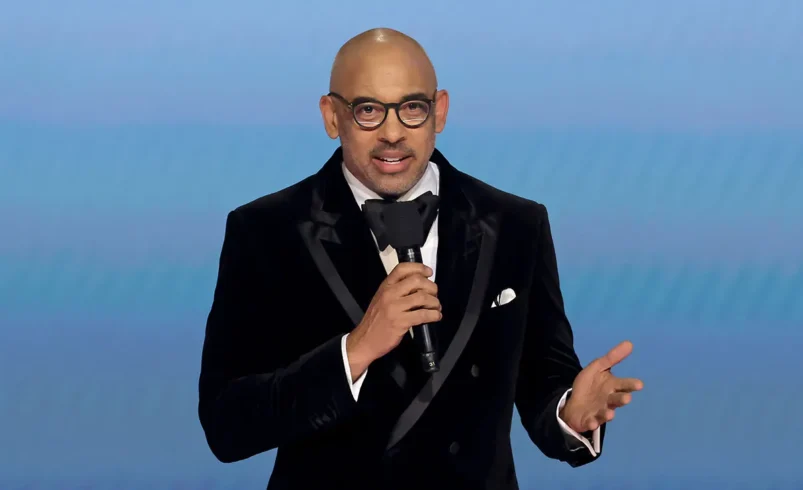
When Harvey Mason Jr. speaks about the future of the Recording Academy and the Grammy Awards, it’s clear he’s wrestling with one of the biggest dilemmas the music world has seen in decades: how to contend with AI-powered music. As Mason prepares for the 2026 Grammys — scheduled for Feb. 1 at L.A.’s Crypto.com Arena — he admits that figuring out the Academy’s stance on AI-generated or AI-assisted music is “the toughest part of my job.”

Mason’s concern isn’t theoretical. He explains that some of today’s songs and recordings are either generated or heavily assisted by artificial intelligence — from AI-generated lyrics to entire demo tracks or even AI-generated vocals. The Academy has already signaled that while AI-created music can be submitted, awards must still go to human creators.
For many in the music industry, this is a delicate balance. On one hand, AI offers powerful new creative tools: as a way to overcome writer’s block, experiment with new sounds, or help finish a song — a kind of “creative amplifier,” as Mason himself put it. On the other hand, if the human contribution is minimal or unclear — especially around performance or vocal likeness — that complicates eligibility under Grammy rules.
Mason frames the conversation not in fear, but in responsibility. He says the Academy has held summits with industry leaders, streaming platforms, tech entrepreneurs and artists — seeking to establish guardrails and standards around AI’s use in music. He underscores that AI is here to stay — but as the head of the Academy, his role is to safeguard human creativity and ensure that, even as technology evolves, the essence of what makes music meaningful remains intact.
Mason speaks from more than just policy — he knows firsthand the power and pitfalls of technological change. Having navigated the Academy through pandemics, wildfires, reschedulings, and shifting industry tides since taking the helm in 2021, he’s wary of letting external forces disrupt what should be a celebration of music.